
POST-SALES CRM REDESIGN
Role: UX/UI Designer
Supported the lead designer on a highly complex technical project.
Company:
Bitbox SL (IKEA Islands)
Stakeholders:
Product Owner, Development Team, International Management, Business
Tools:
Figma, Drive, Skype
📍 Context and Trigger
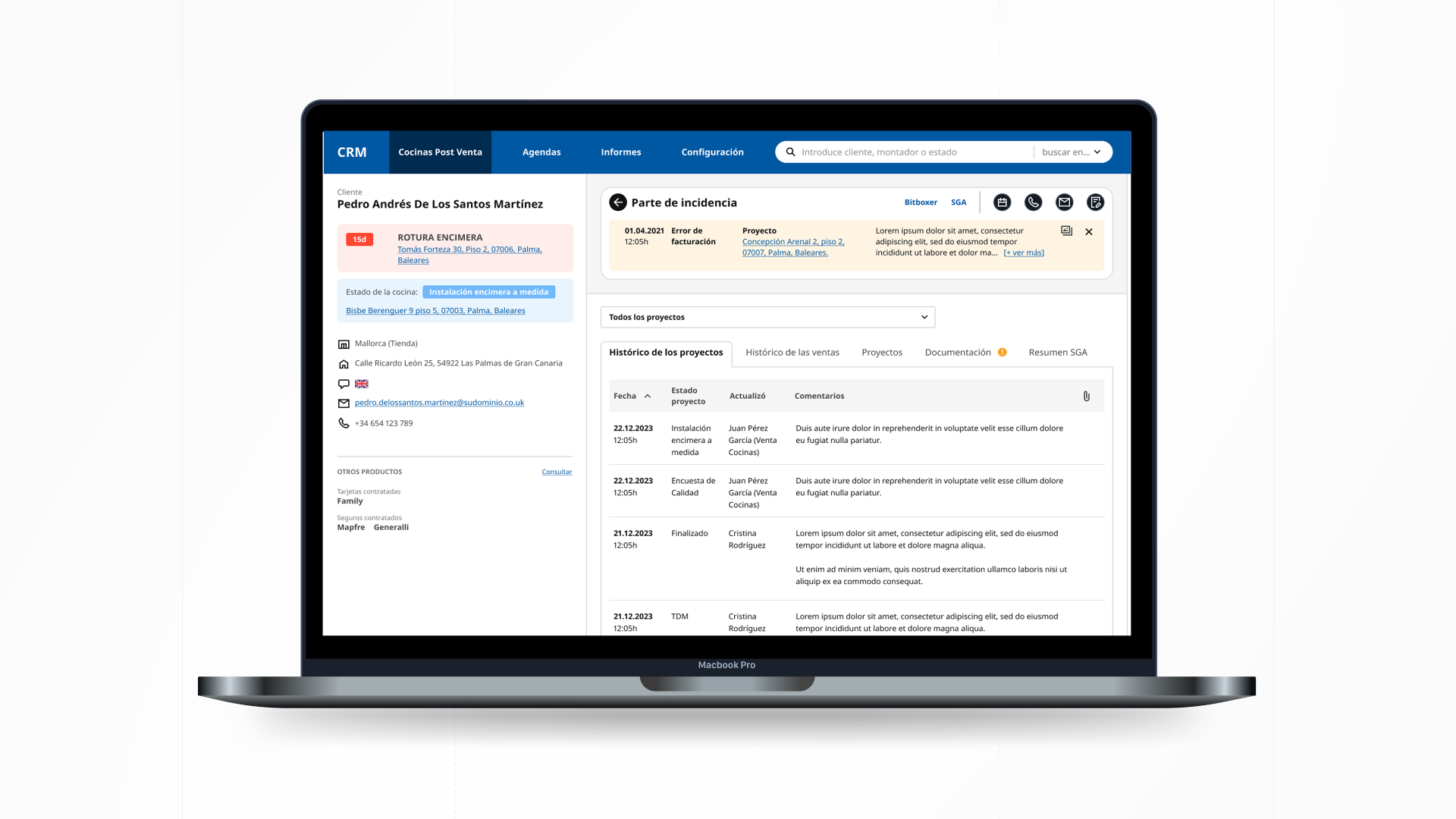
The Post-Sales CRM was the tool that centralized the management of incidents, repair services, ticket tracking, case history, and coordination between different teams (logistics, customer support, suppliers, etc.).
Over time, the tool had grown in layers, and each module solved its part “in its own way”: different structures, inconsistent naming, and screens with very high data density.
The system presented an interface that was overloaded, inconsistent, and unintuitive, making case traceability difficult and slowing communication between departments. This generated friction in daily tasks, loss of information, a higher risk of errors, and a steep learning curve for new employees.
The project emerged from the need to optimize a transversal, high-impact tool, ensuring that the post-sales flow became more agile, clear, and unified.
⚠️ Scope & Constraints
Due to the confidential nature of the project, only selected examples are shown. The CRM was developed as an internal tool and maintained within private environments, therefore it cannot be fully shared publicly.
🎯 Challenge
The challenge was to simplify a highly technical and cross-functional system that connected multiple departments, and turn it into a unified, consistent, and scalable experience.
It was essential to:
- Establish a single information architecture that aligned modules and flows, prioritizing critical elements at every step.
- Make ticket status visible and reduce unnecessary jumps between screens.
- Standardize table and form patterns to lower cognitive load and reduce errors.
- Shorten the learning curve and facilitate collaboration between teams with a coherent visual and functional language, ready to scale.
The redesign of the CRM was not only a technical challenge but also an organizational one. It was a critical tool for multiple areas —after-sales, logistics, customer service, and management—, and therefore each team had different priorities and perspectives. This meant that every design decision had to go through a cross-functional validation process, reconciling development constraints, business requirements, and end-user expectations.
🧪 The Process
The redesign of the After-Sales CRM was a project of high complexity, both technically and organizationally.
It was carried out in a challenging context, with a broad team that included international management (Sweden), business and development teams. This meant that every design decision required reconciling different priorities and constraints.
Meetings and continuous alignment
I participated in weekly meetings with business, management, and development, where needs, requirements, and technical limitations were discussed. The challenge was not only to design screens, but to align expectations across multiple teams —from after-sales managers to product executives.
Analysis and UX audit
Together with my colleague, I carried out a thorough audit of existing flows and screens, reviewing information architecture, disparate naming conventions, and excessive data density. This analysis helped identify inconsistent patterns and critical pain points that needed to be resolved in the redesign.
Constant iterations and validations
The project progressed in iterative cycles. Often, a proposal had to be reworked after receiving business feedback or discovering technical limitations during development. This meant design was a living process, where the key was balancing what was desirable with what was feasible, always prioritizing clarity and error reduction.
Application of the Rita Design System
At the beginning, we designed using the existing CRM’s aesthetics. I was also part of the Rita Design System project. As new components were created and validated there, I integrated them into the CRM, transforming the tool from a heterogeneous set of screens into a coherent, scalable experience aligned with new visual standards.
Prototyping
I created interactive prototypes in Figma, which were used to validate interactions and show developers how the experience should flow, reducing ambiguities and accelerating decision-making.
Documentation
From the start, both my colleague and I documented every step: both to understand inherited documentation and to generate new internal records for the UX team. This work was essential, since the project was constantly evolving and we needed to maintain a clear common thread for the entire team.
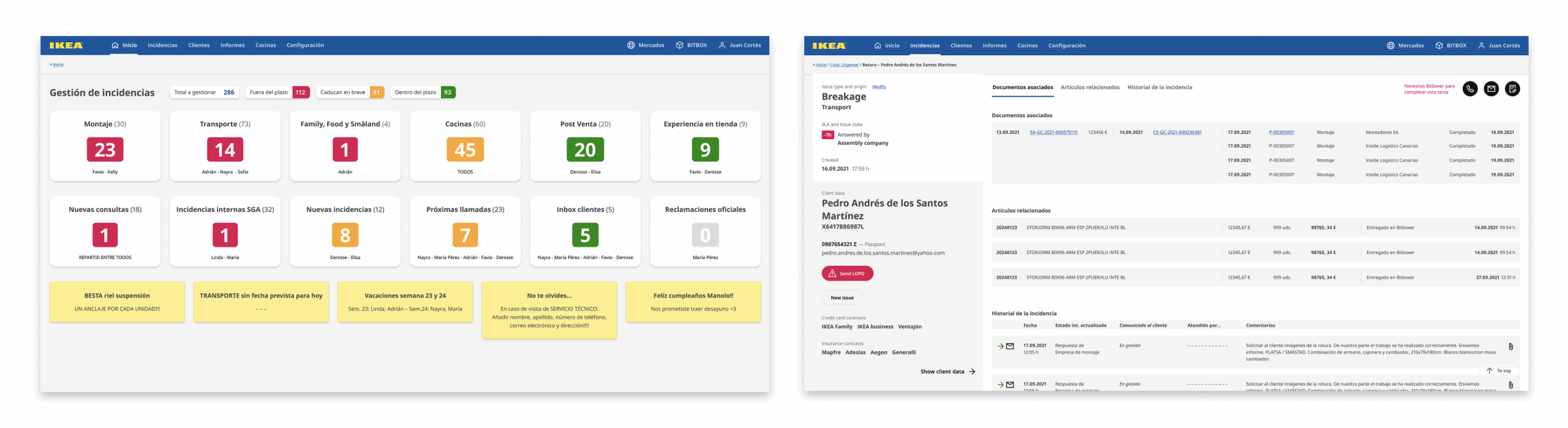
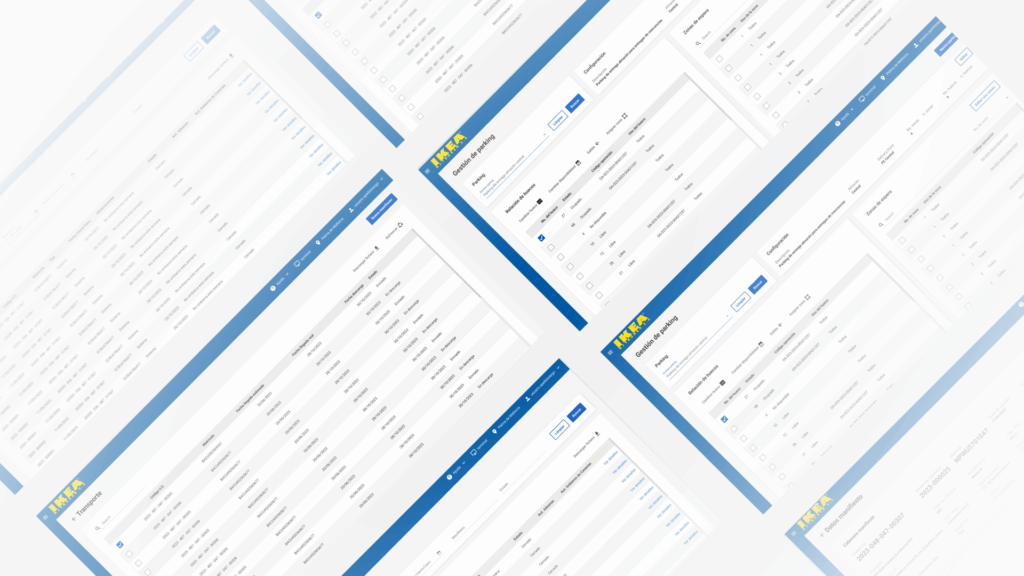
CRM redesign
✅ Outcome & Impact
The redesign of the Post-Sales CRM had both operational and strategic impact:
- Visual and functional consistency: we moved from a fragmented system to a tool with unified architecture and language, thanks to the integration of the Rita design system.
- Greater operational efficiency: by simplifying flows and standardizing tables and forms, we reduced users’ cognitive load and shortened the learning curve for new hires.
- Improved case traceability: ticket states became more visible and consistent, streamlining coordination between departments (after-sales, logistics, customer service, suppliers).
- Ensured scalability: the documented and validated components in Rita facilitated the integration of new features without breaking consistency.
- Strengthening UX practice: the project demonstrated the value of UX within a highly technical and multinational context, paving the way for the design system to be consolidated across other internal products.
- Personal learning: I confirmed the importance of managing projects that involve multiple teams and cultures, documenting every decision to maintain clarity, and staying flexible in contexts with many changes and cross-validations.
👩🏻🏫 Key Learnings
This project strengthened my ability to design business-oriented complex products, where information clarity and operational efficiency are critical.
Working on a CRM required understanding long, highly interconnected flows, prioritizing friction reduction and fast access to relevant information for expert users.
The experience reinforced the importance of aligning design decisions with real processes, ensuring the solution was viable, scalable, and consistent with the existing internal ecosystem.
The project also highlighted design’s value as a tool to improve decision-making, supporting the day-to-day work of commercial and operational teams.
Keep exploring my work
Product Designer | UX/UI Lead · Bitbox SL (IKEA Island)
"Rita" Design System
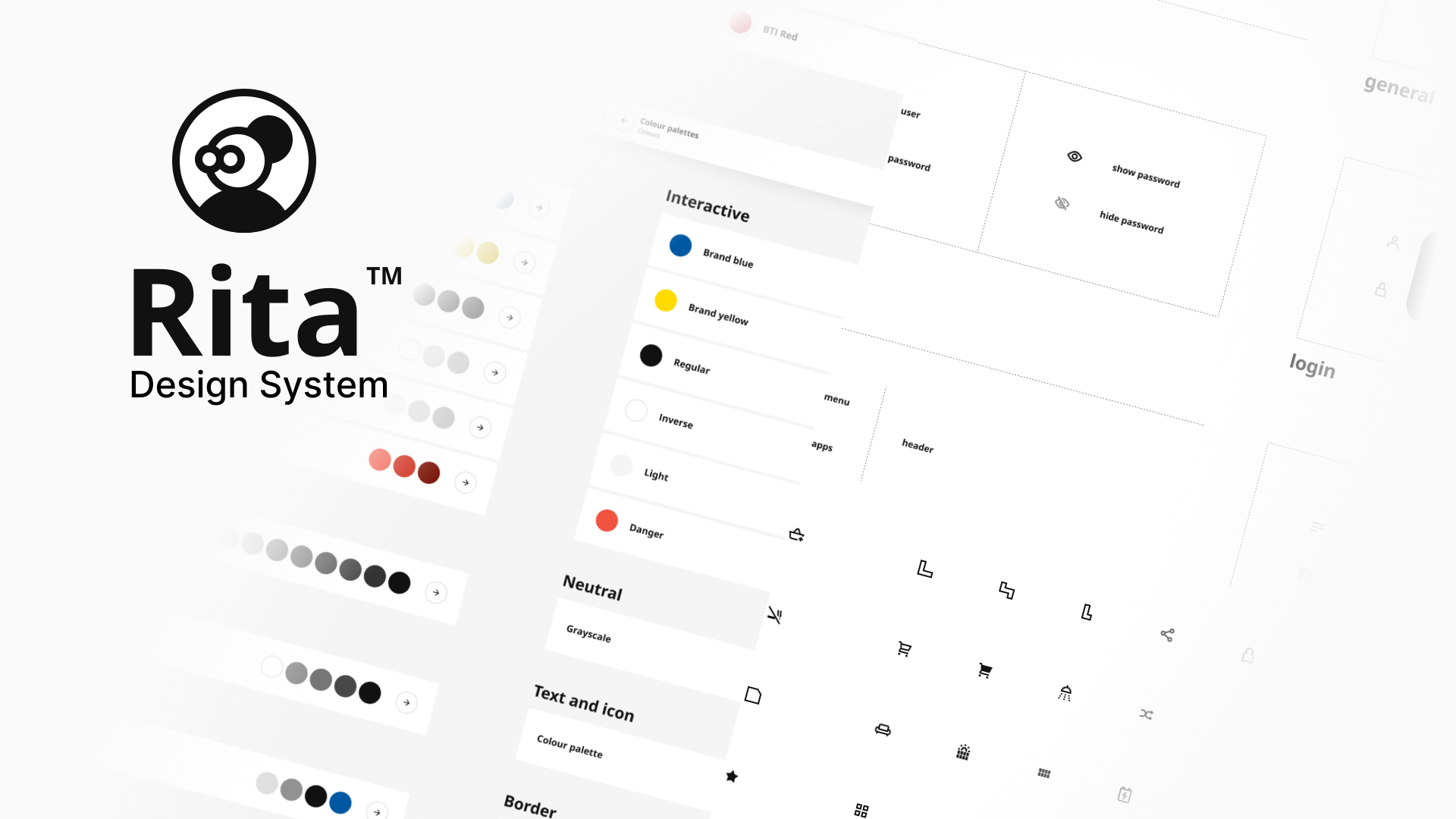
Built a scalable Design System with +50 components, coordinating a team of 3 designers. Unified 100% of internal tools and improved design-to-dev handoff by 30%.
UX Researcher · Bitbox SL (IKEA Island)
App Usability Test
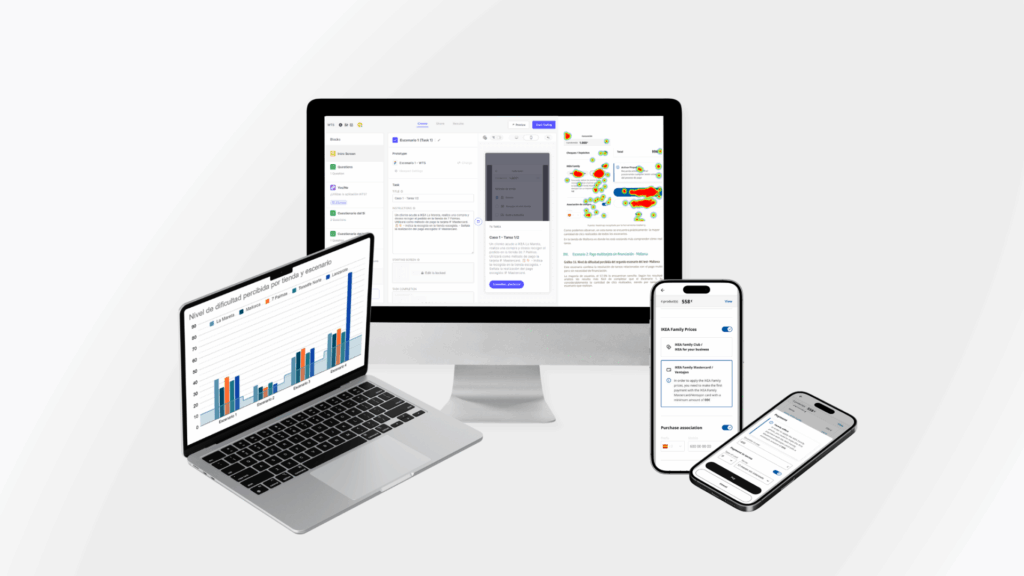
Co-led the company’s first usability test, 124 employees, detecting critical friction points before launch and redesigning the flow so employees could use it without additional training.
UX/UI Designer · Bitbox SL (IKEA Island)
Internal ERP Redesign
Led the redesign of a complex ERP, simplifying workflows and information architecture to reduce navigation complexity by an estimated 30% and improve daily task efficiency.
Let's Get in Touch
Based in Spain, Madrid